Sight Space Station Home

Category

Observation Guides

30 articles

That Boom You Heard (Or Didn't): The Acoustic Puzzle of the ISS Flying Overhead

That Boom You Heard (Or Didn't): The Acoustic Puzzle of the ISS Flying Overhead

Your neighbor stepped outside during an ISS pass and swore they heard a thunderous rumble. You were standing two blocks away and caught nothing but crickets. The explanation involves some genuinely wild atmospheric physics — and it can actually help you predict whether you'll hear anything next time.

Escape the Glow: Finding Dark Sky Spots Near US Cities for Your Best-Ever ISS Views

Escape the Glow: Finding Dark Sky Spots Near US Cities for Your Best-Ever ISS Views

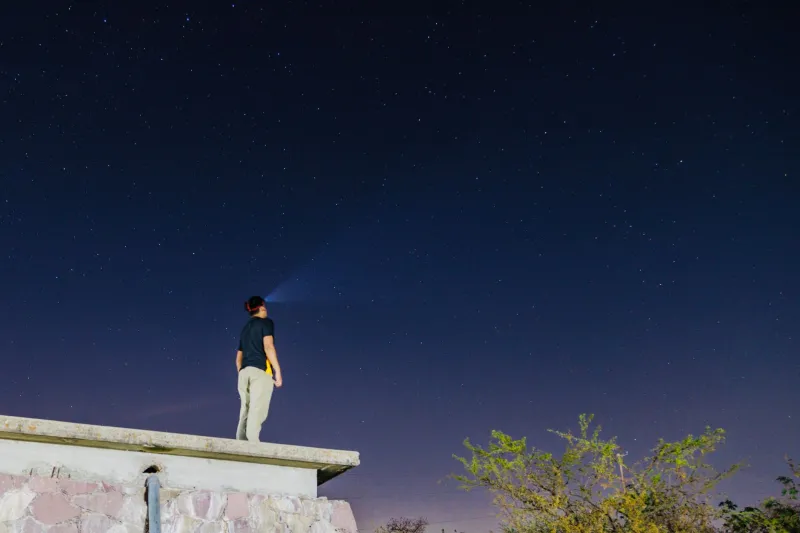
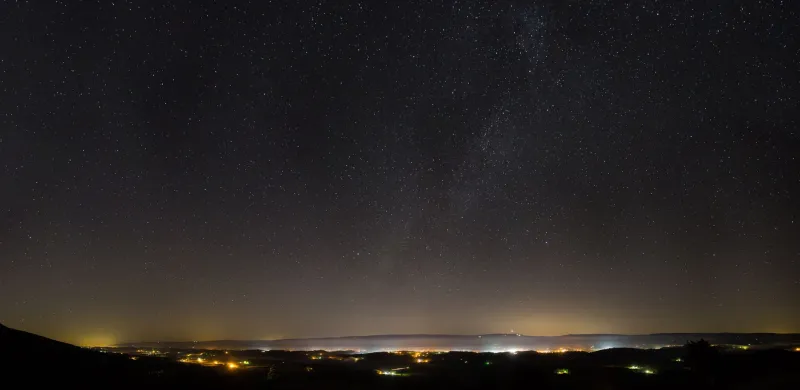
Light pollution is the silent enemy of every ISS observer in America, washing out the sky just enough to make a good pass feel underwhelming. But you don't have to drive to the middle of nowhere to fix it. Here's how to find genuine dark-sky relief within reach of almost any US city—and why making the trip is worth every mile.

No Signal, No Problem: How to Watch the ISS When Your Phone Is Useless

No Signal, No Problem: How to Watch the ISS When Your Phone Is Useless

Apps are great — until your battery dies at the worst possible moment. This guide walks you through everything you need to catch ISS passes using nothing but paper, a compass, and a little orbital know-how. Old-school methods still work, and sometimes they work better.

When the App Says 'Go' But the Sky Says 'Meh': Decoding the ISS Viewing Gap

When the App Says 'Go' But the Sky Says 'Meh': Decoding the ISS Viewing Gap

Your tracking app flashed a bright green 'excellent conditions' alert, you rushed outside with coffee in hand, and then... the ISS looked kind of fine? You're not imagining things. There's a real and surprisingly complex gap between what prediction algorithms promise and what your eyes actually receive on any given night.

Brighter Than Venus: The Science Behind the ISS's Most Dazzling Passes

Brighter Than Venus: The Science Behind the ISS's Most Dazzling Passes

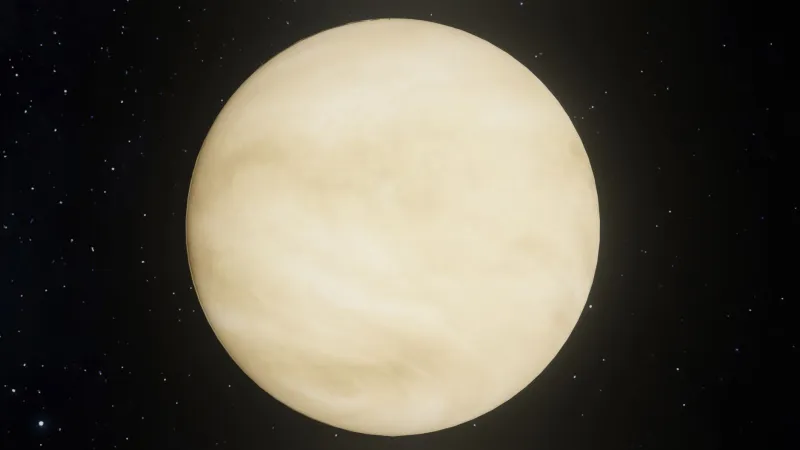
Every so often, the International Space Station doesn't just cross your sky — it dominates it, outshining Venus, Jupiter, and every star in the night. Understanding why this happens, and how to catch it, is one of the most rewarding tricks in any skywatcher's playbook.

When the ISS Wins the Night — and Everything Else Loses

When the ISS Wins the Night — and Everything Else Loses

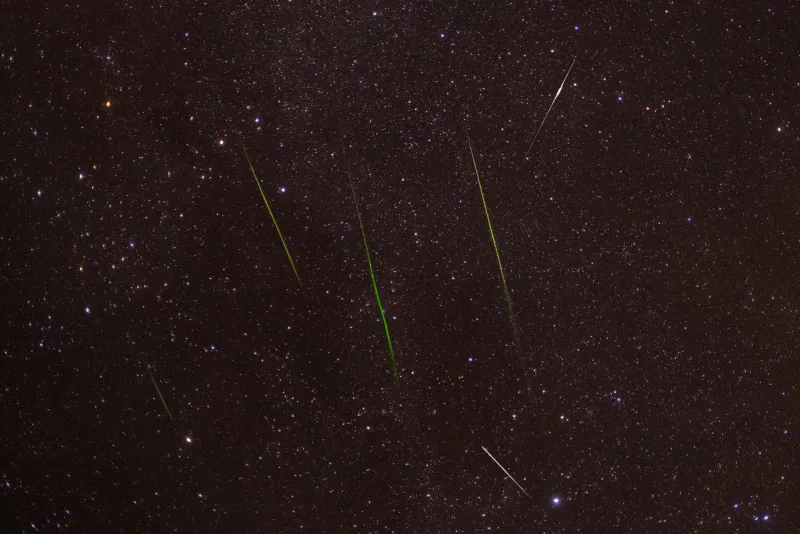
Scheduling your best ISS passes sounds simple until the cosmos decides to throw a meteor shower, a planetary conjunction, or a once-a-decade alignment on the same night. The orbital mechanics behind these collisions of opportunity are fascinating — and knowing how to navigate them can make or break your season under the stars.

Why Some US Cities Hear the ISS Loud and Clear (And Others Get Static)

Why Some US Cities Hear the ISS Loud and Clear (And Others Get Static)

Picking up a signal from the International Space Station isn't just about pointing an antenna at the sky and hoping for the best. Your zip code, your local terrain, and even the weather overhead all play a surprisingly big role in whether you hear astronauts — or nothing at all. Here's what's actually going on, and which parts of America have the acoustic edge.

Tune In to the ISS: How Radio Waves Reveal What Your Eyes Can't See

Tune In to the ISS: How Radio Waves Reveal What Your Eyes Can't See

There's more than one way to experience an ISS pass — and one of them involves a pair of headphones. Amateur radio operators have been using Doppler shift to track the space station for decades, and the science behind it is surprisingly accessible to anyone curious enough to listen.

Your Brain Is Lying to You About the ISS (And That's Actually Fascinating)

Your Brain Is Lying to You About the ISS (And That's Actually Fascinating)

The International Space Station is a football-field-sized structure hurtling through space at 17,500 mph — and yet your naked eye turns it into something that feels almost intimate. The gap between what's actually up there and what your brain tells you it sees is a wild ride through perception science, optical physics, and the quirks of human cognition.

One Sighting Isn't Enough: Your 30-Day Plan to Actually Track the ISS

One Sighting Isn't Enough: Your 30-Day Plan to Actually Track the ISS

Most people spot the ISS once, say 'cool,' and never look up again. But the station zips over your hometown roughly every 90 minutes — and building a real observation habit is easier than you think. Here's a structured 30-day framework to turn a single sighting into a genuine sky-watching practice.

Sky Watching by the Calendar: How Earth's Orbit Shapes Your Best Observation Nights All Year

Sky Watching by the Calendar: How Earth's Orbit Shapes Your Best Observation Nights All Year

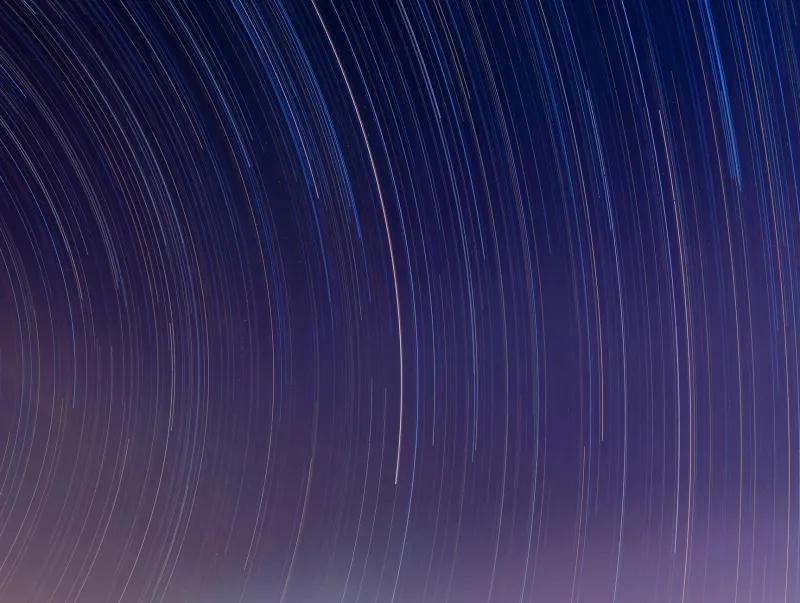
Earth's position in its yearly orbit doesn't just change the weather — it determines which cosmic events you can actually see from your backyard. From meteor shower peaks to planetary conjunctions to the ISS blazing at maximum brightness, timing your observations to match the seasons is the single biggest upgrade you can make to your sky-watching game. Here's your master guide to working the cosmic calendar in your favor.

Summer Marathons vs. Winter Blinks: The Orbital Geometry Behind ISS Visibility Windows

Summer Marathons vs. Winter Blinks: The Orbital Geometry Behind ISS Visibility Windows

Ever wonder why you can track the ISS across half the sky on a July evening but barely catch a fleeting streak in December? The answer lives in the geometry connecting Earth's tilt, the station's orbital path, and exactly where you're standing. Once you understand the mechanics, predicting a long, satisfying pass becomes a whole lot easier.

Your Backyard Is a Lab: Real Science You Can Do During Every ISS Pass

Your Backyard Is a Lab: Real Science You Can Do During Every ISS Pass

The ISS isn't just a pretty streak of light crossing your night sky — it's a precision instrument you can use to conduct genuine scientific observations. From testing atmospheric refraction to timing stellar occultations, here's how backyard watchers are quietly contributing to real research without leaving their driveways.

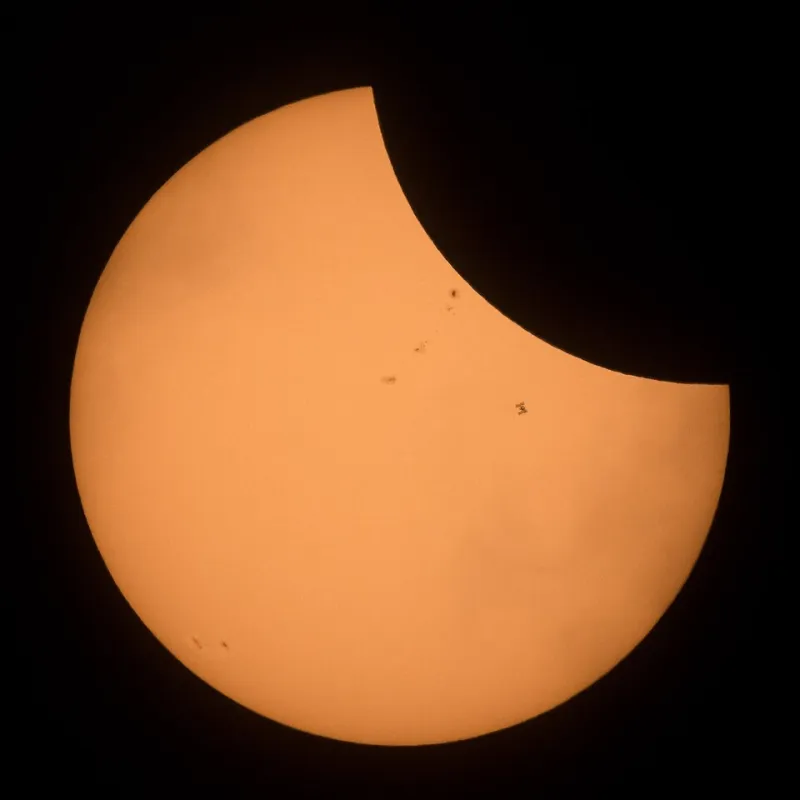
Starlight Interrupted: Catching the ISS as It Blots Out the Sky's Brightest Lights

Starlight Interrupted: Catching the ISS as It Blots Out the Sky's Brightest Lights

Most ISS watchers are satisfied with a bright streak across the evening sky — but a small group of dedicated observers chase something far rarer. When the space station passes directly in front of a bright star or planet, the result is a split-second cosmic alignment that demands precision, patience, and a little bit of luck.

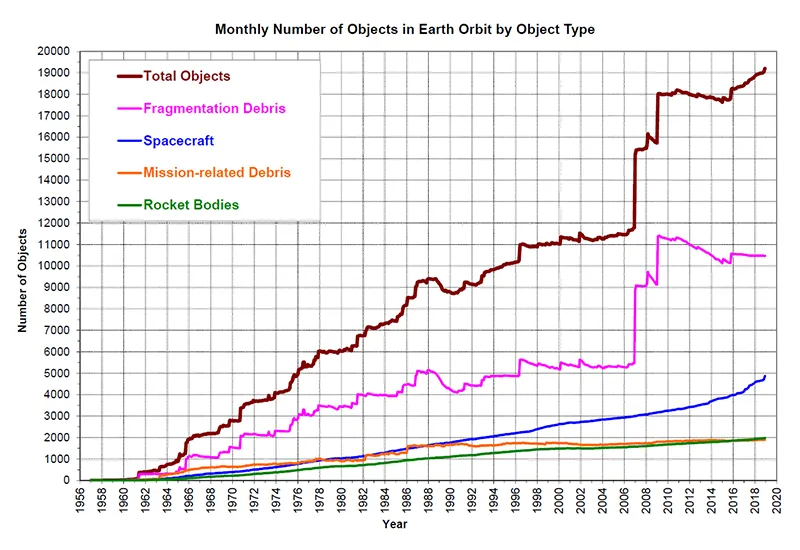
The Graveyard Overhead: Tracking Earth's Orbital Ghost Fleet

The Graveyard Overhead: Tracking Earth's Orbital Ghost Fleet

Not everything gliding across your night sky is a functioning spacecraft. Earth orbit is packed with dead satellites, spent rocket stages, and forgotten hardware that's been circling our planet for decades. Here's how to find them, identify them, and appreciate them as the space archaeology they truly are.

From Alaska to Florida: Where You Live Determines How Well You'll See the ISS

From Alaska to Florida: Where You Live Determines How Well You'll See the ISS

Not every American gets the same view of the International Space Station, and your zip code has more to do with it than you might think. This regional breakdown explains why latitude, local geography, and seasonal timing combine to give some states a serious leg up on ISS spotting. Find out where your state lands in the pecking order — and how to make the most of whatever sky you've got.

How to Photograph the ISS with the Camera Already in Your Pocket

How to Photograph the ISS with the Camera Already in Your Pocket

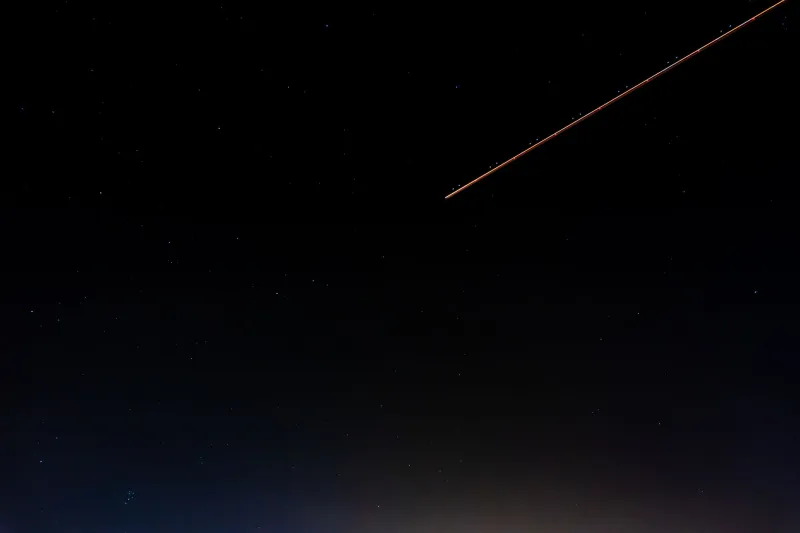
You don't need a telescope, a tracking mount, or a thousand-dollar mirrorless body to photograph the International Space Station. With the right timing, a few tweaked settings, and some creative thinking, your smartphone or entry-level camera can pull off shots that'll genuinely impress you.

The Seasonal Stargazer's Playbook: When and Where to Catch the ISS at Its Brightest

The Seasonal Stargazer's Playbook: When and Where to Catch the ISS at Its Brightest

The ISS doesn't shine equally for everyone, and it definitely doesn't shine equally all year long. Understanding how the seasons, your latitude, and a few tricks of orbital geometry interact can turn a frustrating string of missed passes into a reliable viewing habit. Here's how to think strategically about when to look up — no matter where you live in the US.